War in Iran Not Yet Affecting Container Traffic at U.S. Ports, Accordng to NRF Report
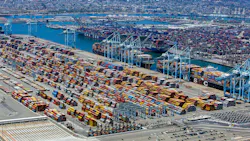
Import volume at major U.S. container ports is not being significantly affected by the conflict in Iran but ocean carriers are seeing a related increase in fuel costs that could eventually affect retailers and their customers, according to the Global Port Tracker report released this week by the National Retail Federation (NRF) and Hackett Associates.
“Just because retailers don’t import a lot of merchandise from the Middle East doesn’t mean the U.S. supply chain isn’t affected by the turmoil there,” NRF VP for Supply Chain and Customs Policy Jonathan Gold said in the press release. “The supply chain is global and disruptions anywhere along it can have ripple effects whether it’s rerouting of vessels, equipment out of position, higher fuel costs for shippers or rising gas prices that leave less money in consumers’ pockets.
“Retailers are monitoring the situation on a daily basis and working with their transportation partners to minimize any impact. In the meantime, retailers continue to face rising tariffs and continued trade policy uncertainty that put downward pressure on imports and upward pressure on prices.”
President Donald Trump last month announced a temporary 10% global tariff under the Trade Act of 1974 after the Supreme Court ruled that the use of tariffs under the International Emergency Economic Powers Act was illegal. Last week, he adjusted Section 232 tariffs that were imposed last year on imported steel, aluminum and copper and announced new Section 232 tariffs on pharmaceutical products and ingredients.
Hackett Associates Founder Ben Hackett said volume at U.S. container imports has been slowed by tariffs but is not being significantly affected by the situation in Iran because little U.S. container cargo comes from the region. Nonetheless, the blockage of the Strait of Hormuz is driving up the price of fuel for container ships worldwide at the same time consumers are paying more for gasoline, he said. In addition, ports in Asia depend on fuel from the Persian Gulf and could see shortages if the conflict is not resolved soon. It’s too soon to assess the impact of the two-week cease-fire announced on Tuesday, he said.
“The United States is less impacted operationally as there is no shortage of fuel at U.S. ports, but the price of fuel here is based on international pricing,” Hackett said. “Higher fuel costs drive up the price of shipping a container for either import or export and ultimately have an inflationary impact on consumers and other end users.”